Weather Patterns in the Bush: A Logistical Guide

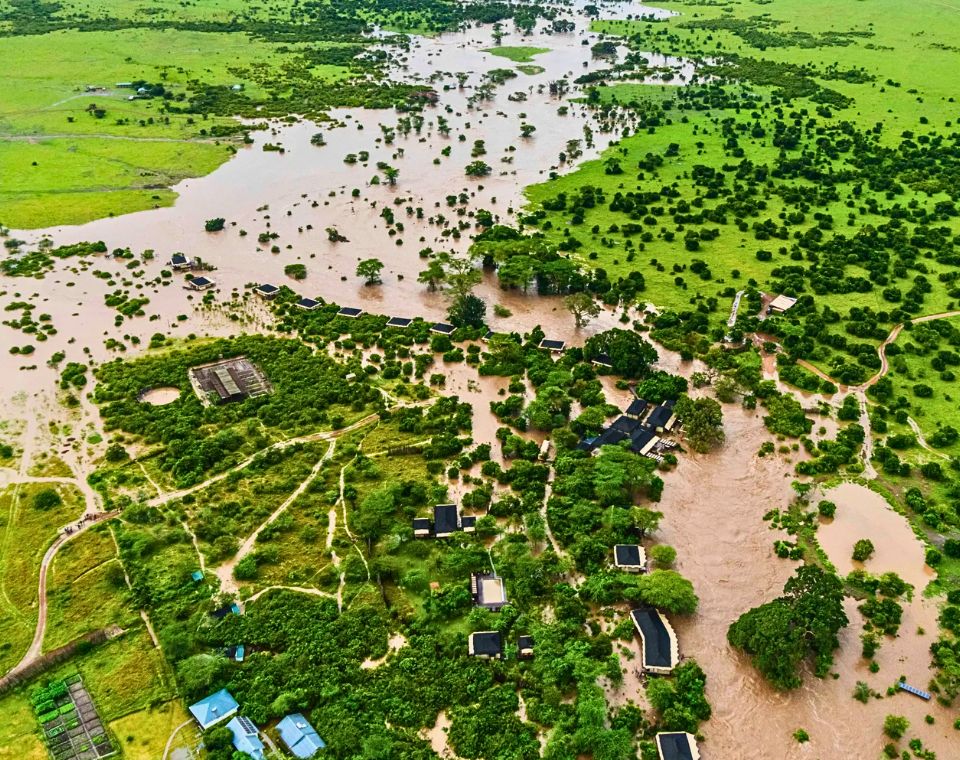
In the Kenyan wilderness, the weather is the primary architect of your itinerary. Planning a safari requires more than checking a forecast; it requires an understanding of how precipitation transforms the terrain—specifically the transition between “Short” and “Long” rains.

The Dual Rain Cycles.

Kenya’s climate is defined by two distinct wet seasons, each offering different challenges and advantages for field operations.

  • The Long Rains (March – May): This is the primary wet season. Expect heavy, convective rainfall, usually in the afternoons.

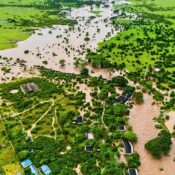
    • Field Impact: The “Black Cotton” soil in the Maasai Mara and Amboseli becomes highly plastic and sticky. Even with 4×4 capability, certain off-road tracks become impassable.

    • Strategic Advantage: The landscape is at its most vibrant green, and dust is non-existent, providing the best clarity for long-range photography.

  • The Short Rains (November – December): These are lighter, more sporadic showers.

    • Field Impact: Usually involves a quick burst of rain followed by clear skies.

    • Strategic Advantage: This “inter-season” offers lower crowd density and is an excellent time for birding as migratory species arrive from the north.

We monitor regional satellite data daily. If a specific sector of a park receives heavy rainfall overnight, we reroute our Land Cruisers to ensure the journey continues without mechanical strain or logistical delays. We don’t fight the weather; we navigate it.

The Dry Season Strategy (June – October / Jan – Feb)

During the peak dry months, the bush thins out, and humidity drops significantly.

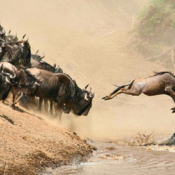
  • Wildlife Concentration: As surface water disappears, animals are forced to congregate around permanent water holes and rivers (The Ewaso Ng’iro in Samburu or the Mara River). This makes tracking predictable and sightings high-frequency.

  • Logistics: Roads are fast and reliable. However, high dust levels require specific equipment care, particularly for camera sensors and optical gear.

Current 2026 Humidity & Planning

As of late March 2026, we are entering the onset of the Long Rains. For travelers currently planning or in the field:

  1. Route Adjustments: We are prioritizing sandier, well-drained tracks in the Laikipia Plateau and higher-ground loops in the Mara to avoid bogging down.

  2. Gear Requirements: Humidity levels are rising. We recommend moisture-sealed bags for electronics and lightweight, breathable layers that dry quickly after afternoon downpours.

  3. The “Green Safari” Value: While some tracks are closed, the lack of dust and the birth of plains game make this a tactically sound time for experienced photographers who prefer atmosphere over high-speed transit.


Add a Comment

Your email address will not be published.

All Categories
United Kingdom
Travel to

United Kingdom

Quick booking process

Talk to an expert